Securing Every Connection
Trust Built on 20 Years of Expertise
Solar and photovoltaic module fasteners are specialized mechanical hardware used to securely attach solar panels to their supporting structures — such as roof frames, ground mounts, or racking systems. These components are engineered to resist environmental stresses (wind, vibration, corrosion), maintain alignment, and ensure the long-term stability of the PV array.
According to Zhejiang Jiaxing Tuyue’s product catalog, their solar fasteners include items like assembly bolts, bi-metal screws, hex nuts, solar hanger bolts, solar hooks, and spring nuts — each designed for different fastening needs in a PV system.
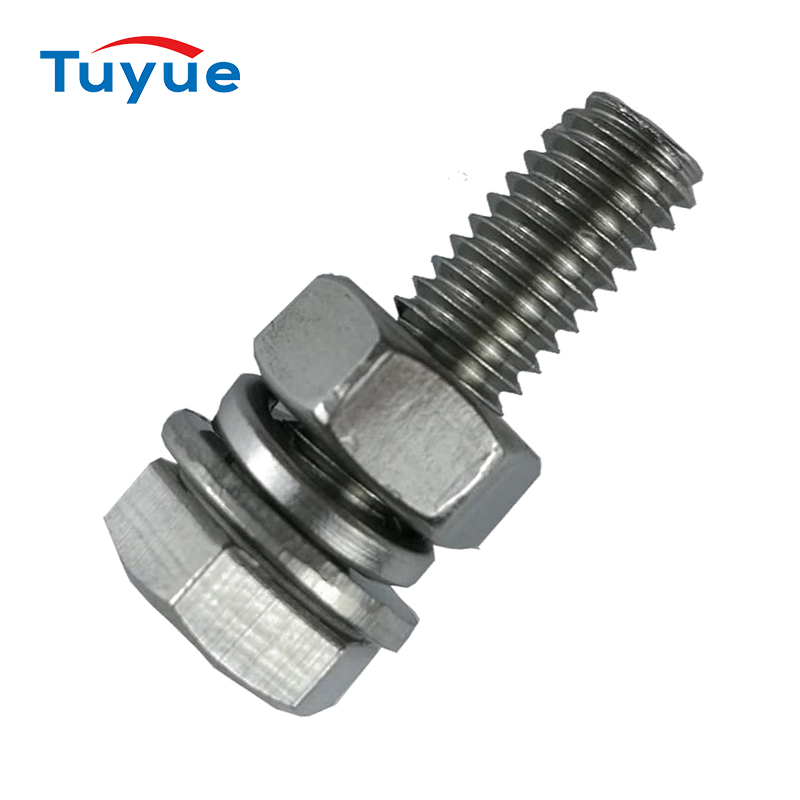
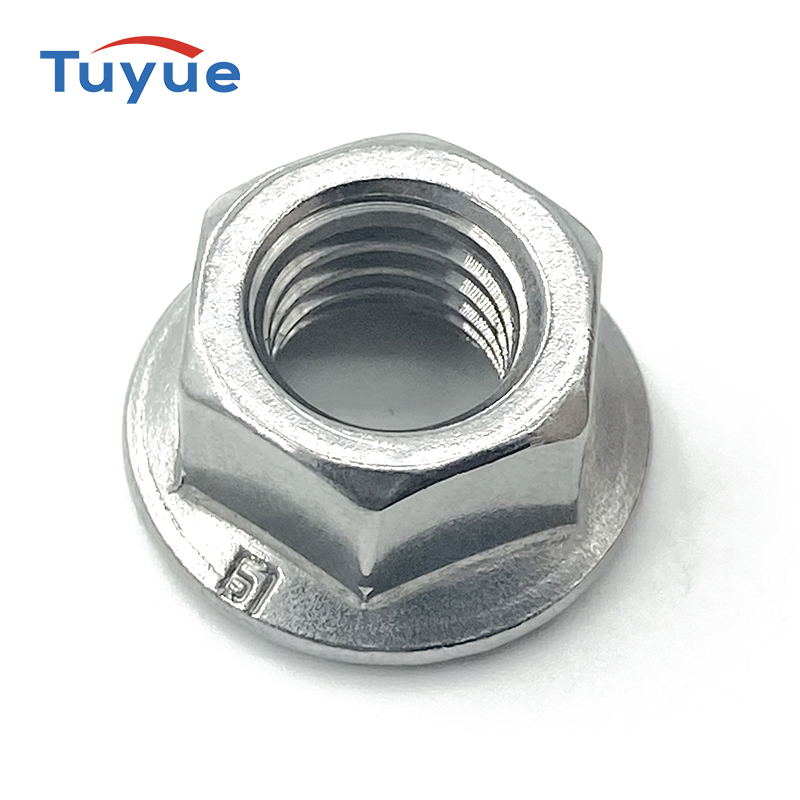
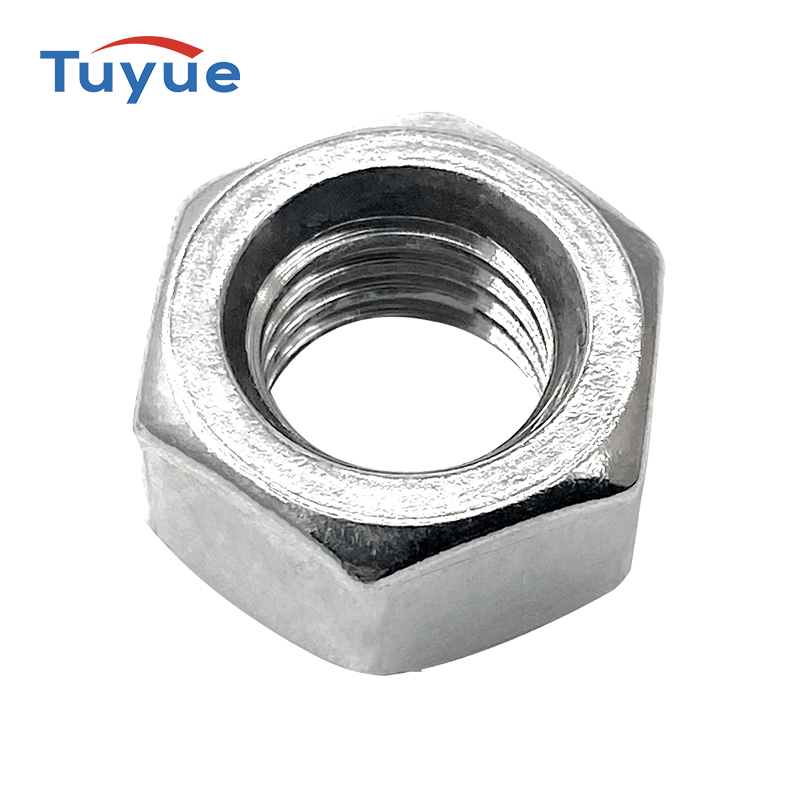
Assembly Bolts & Hex Nuts: Provide strong load-bearing connections between panel frames and rails or structural supports.
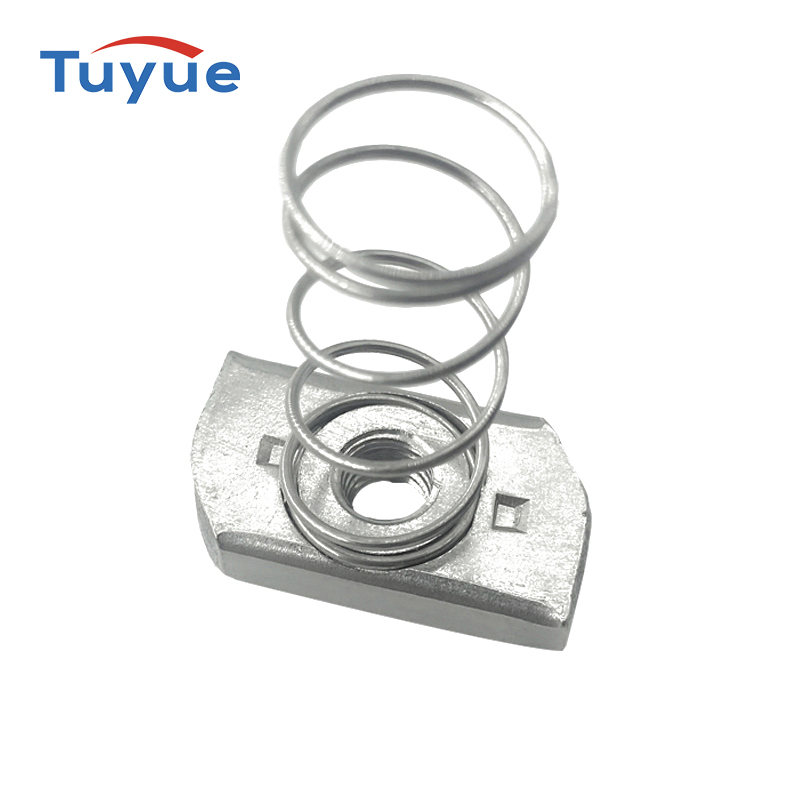
Spring Nuts / T Bolts: Slide into mounting rail slots for flexible or adjustable positioning.
Usage: Generally used in roof or ground-mounted systems to clamp rails and module frames securely.
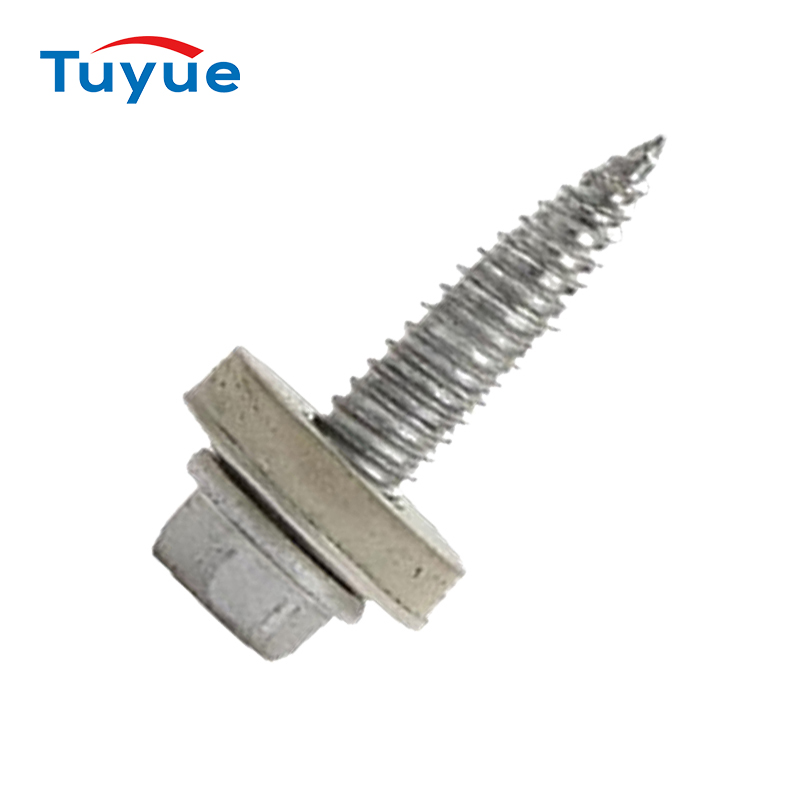
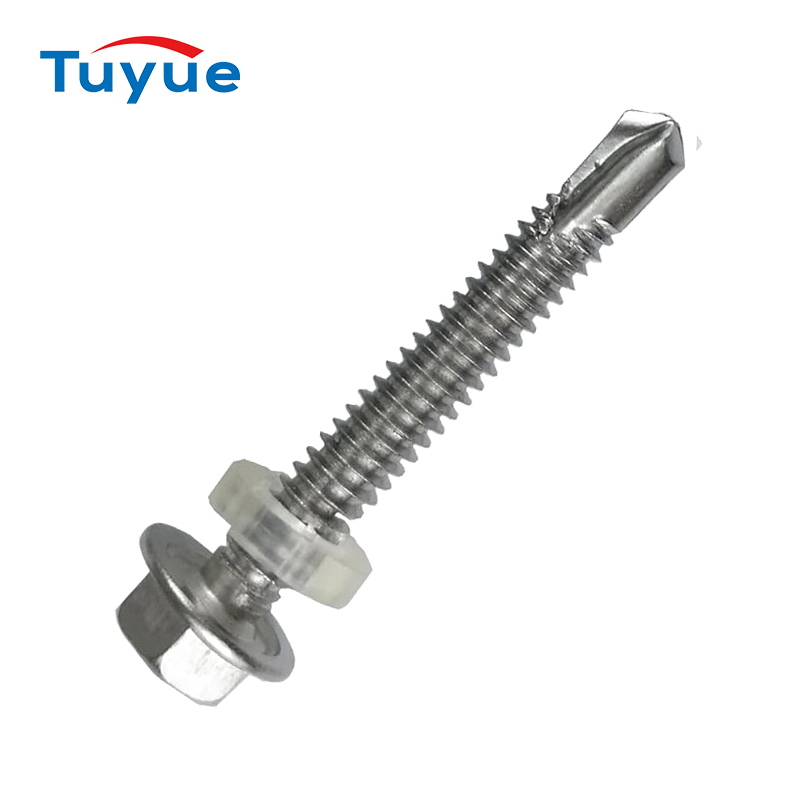
Self-Drilling / Self-Tapping Screws: Pierce metal or wood substrates without pre-drilling for faster installation.
Bi-metal Screws: Combine materials for strength and corrosion resistance.
Usage: Secure rack and rail systems to roof surfaces (e.g., metal roofs).
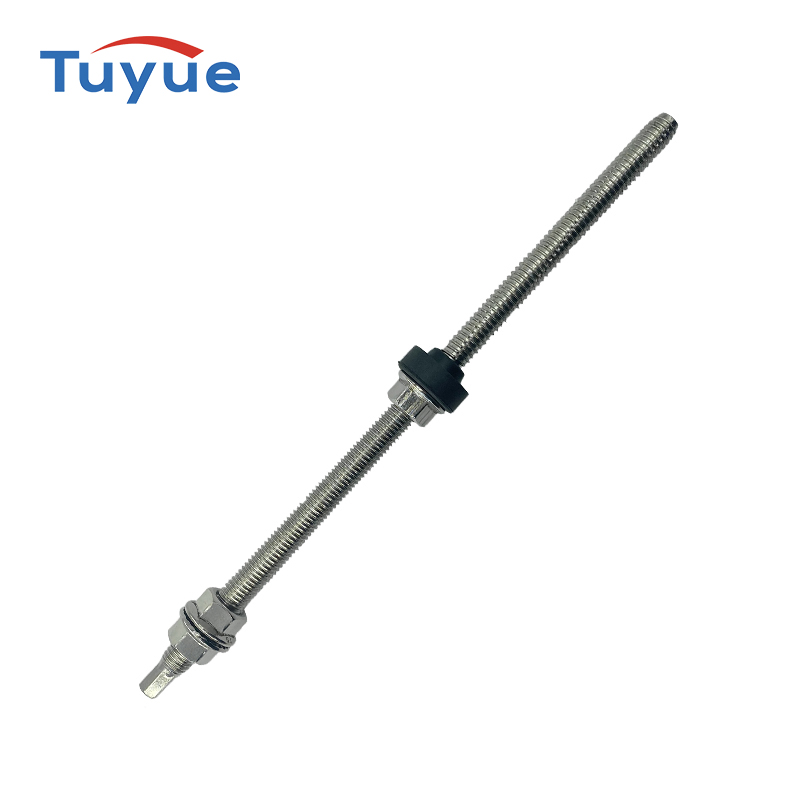
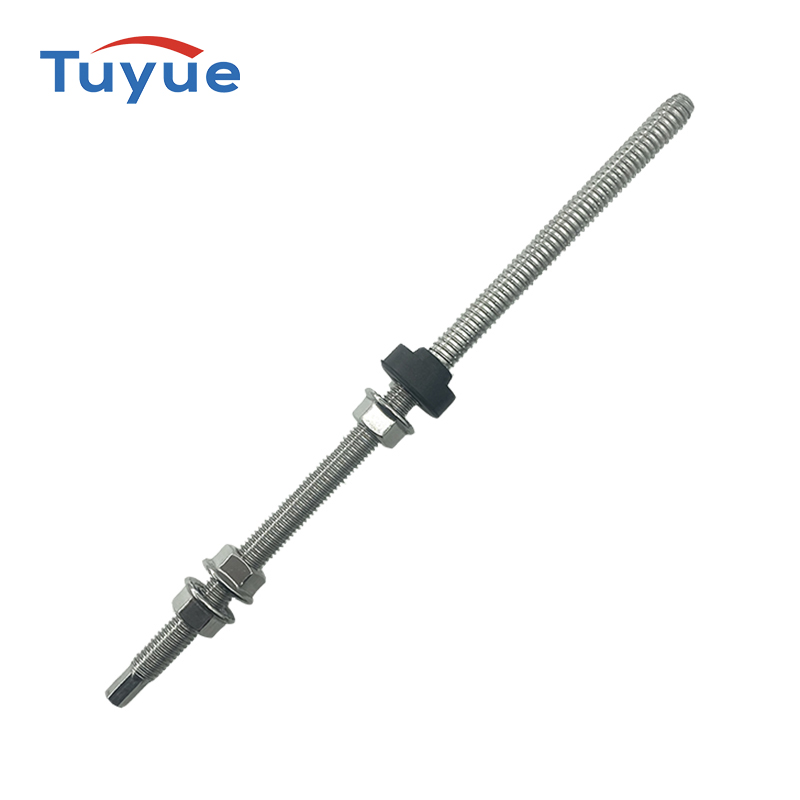
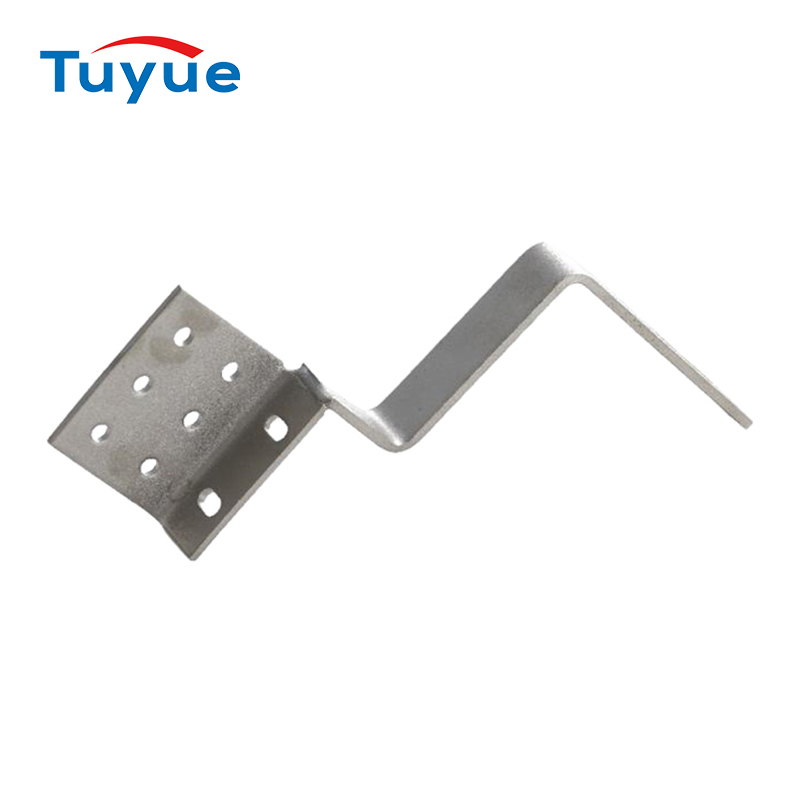
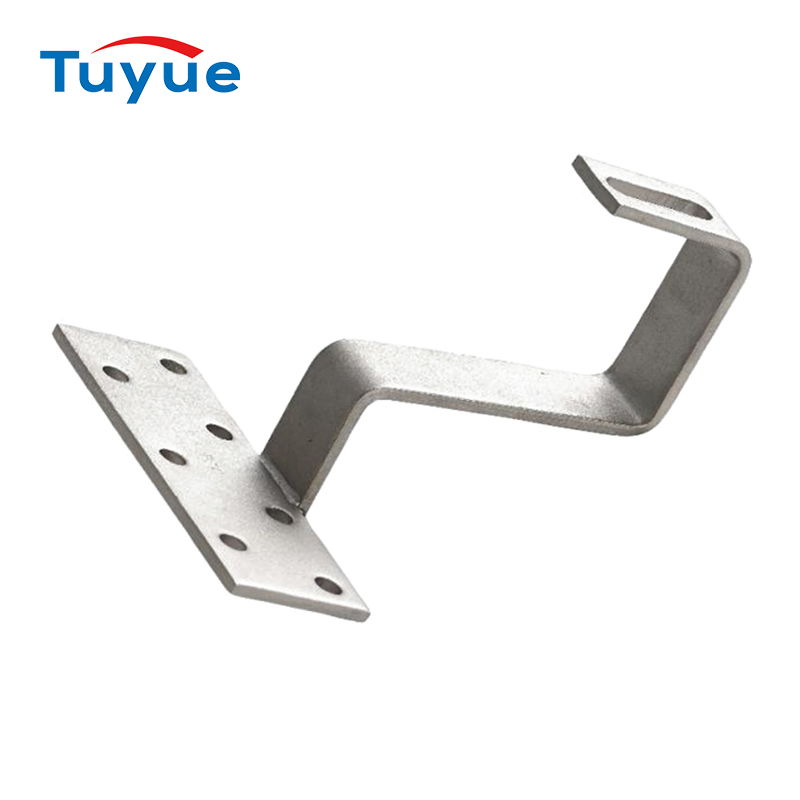
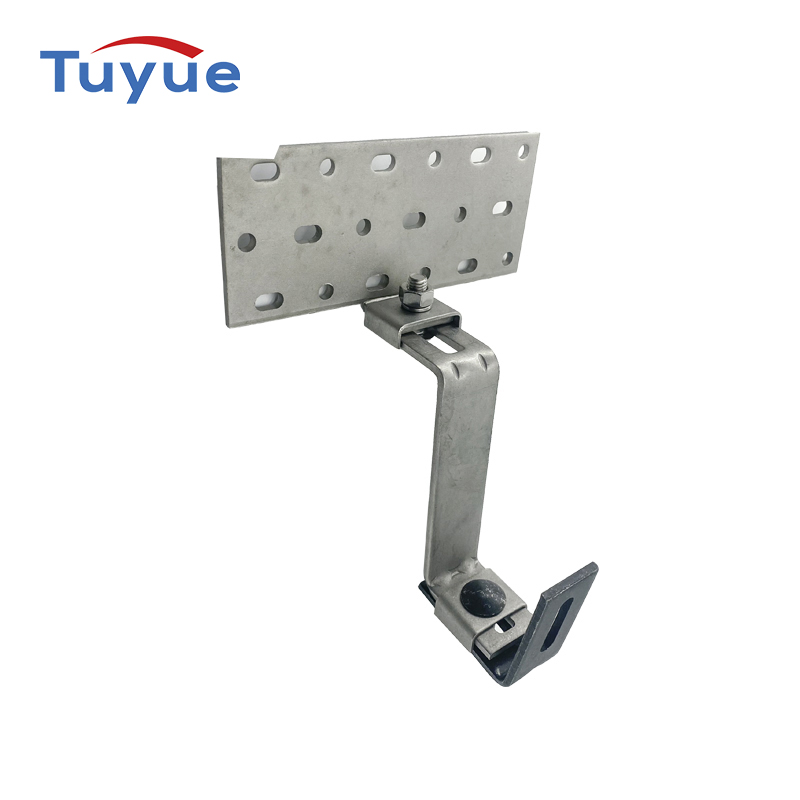
Solar Hooks & Solar Hanger Bolts: Used where panels or mounting rails require hook attachments or hanger solutions, particularly on tile or shingle roofs.
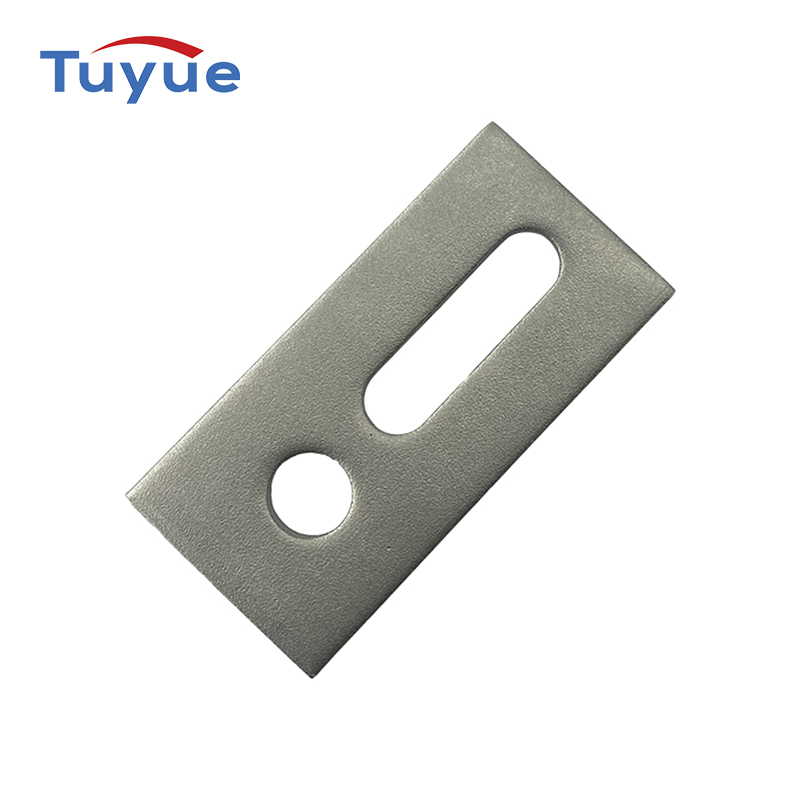
Solar Adaptors: Help bridge components between the panel frame and the mounting system.
Usage: These parts improve compatibility with diverse mounting designs and roof types.
Preferred Materials
Stainless Steel (SS304/SS316): High corrosion resistance for coastal or humid environments.
Aluminum Alloys: Lightweight and non-corrosive but with limited shear strength compared to stainless steel.
Bi-metal Alloys: Provide calibrated strength and resistance to galvanic corrosion.
Industry Note: Stainless steel is widely considered the industry standard for PV fasteners due to its long lifespan that closely matches the expected 25+ year service life of solar systems.
Environmental Durability
Good solar fasteners must withstand:
UV exposure and thermal cycling
Wind loads and snow loads
Corrosion from salt, moisture, or industrial pollution
Selecting high-quality materials and protective finishes (e.g., passivated or galvanized coatings) prevents premature failure and water infiltration.
Structural Integrity
Fasteners act as the primary mechanical links that hold modules, rails, and frames together. Proper selection and installation help prevent loosening under dynamic environmental loads and ensure the array remains stable over decades.
Moisture & Corrosion Prevention
Specialized fasteners help form secure seals and resist rust, which is vital in preventing water infiltration at roof penetrations or exposed hardware areas.
Electrical Safety & Grounding
Some fasteners also serve secondary roles, such as bonding or grounding the PV modules and racking system — essential for safety and lightning protection. While not all fasteners are designed specifically for grounding, compatible components can support electrical bonding where required by code.
| Application | Typical Fasteners |
| Residential Roof Mount | Self-drilling screws, solar hooks, spring nuts |
| Commercial Flat Roof | Bolts with flashing kits, clamps, channel nuts |
| Ground-Mounted Arrays | High-strength bolts and nuts, brackets |
| Special Roof Types (tile/shingle) | Solar hanger bolts, hook systems |
This aligns with common industry practices where fastener types are selected based on structural needs and environmental challenges.
Company Focus: Precision hardware and fastener manufacturer with 20+ years of experience producing screws, bolts, nuts, and solar-specific fasteners.
Product Range: Includes solar & photovoltaic module fasteners, roofing screws, stainless steel hardware, blind rivets, and stamping parts.
Markets: Products used across construction, renewable energy (solar), machinery assembly, and industrial sectors.
Fastener Durability & Materials:
Search interest often centers on corrosion resistance, material choices (SS304/SS316), and lifecycle performance — key factors for solar installations.
Solar Mounting System Integrity:
Topics include how fasteners affect long-term reliability, wind uplift resistance, and installation best practices.
Selection & Best Practices:
Common searches focus on selecting the right fastener type for roof type (metal, tile, shingle) and PV system size.