Securing Every Connection
Trust Built on 20 Years of Expertise
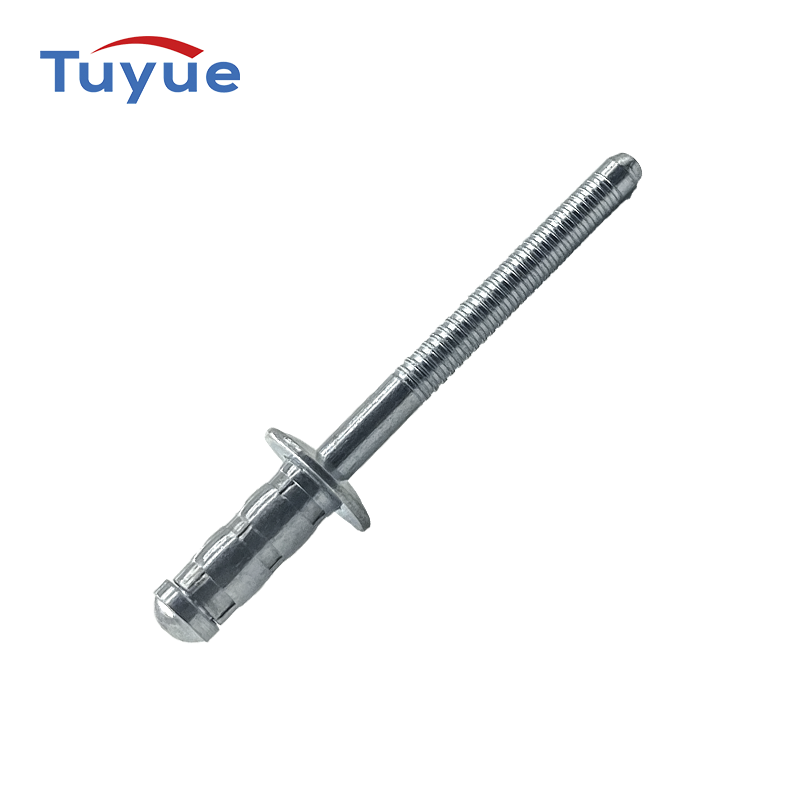
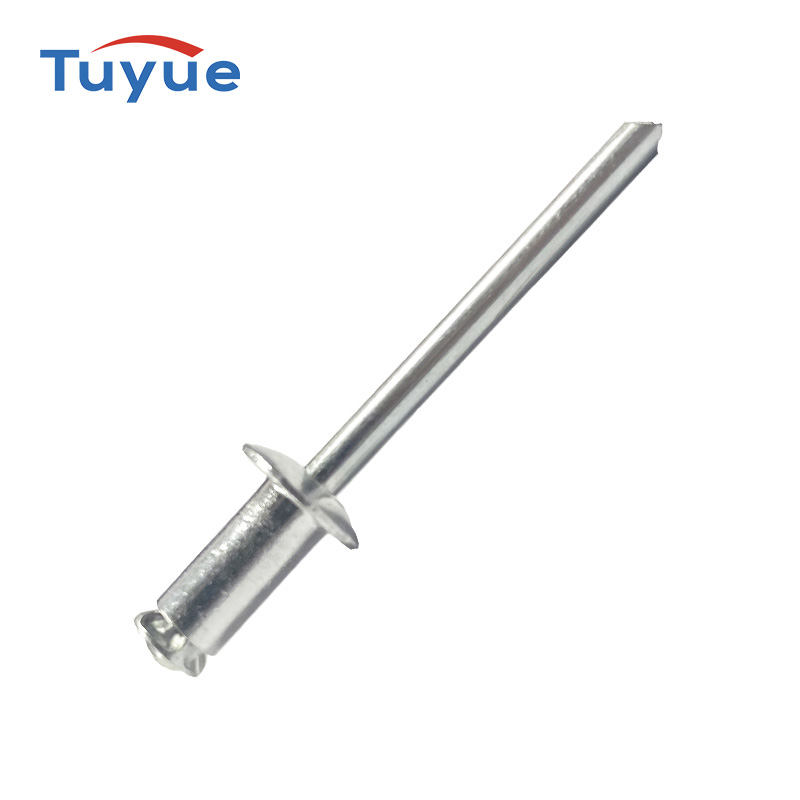
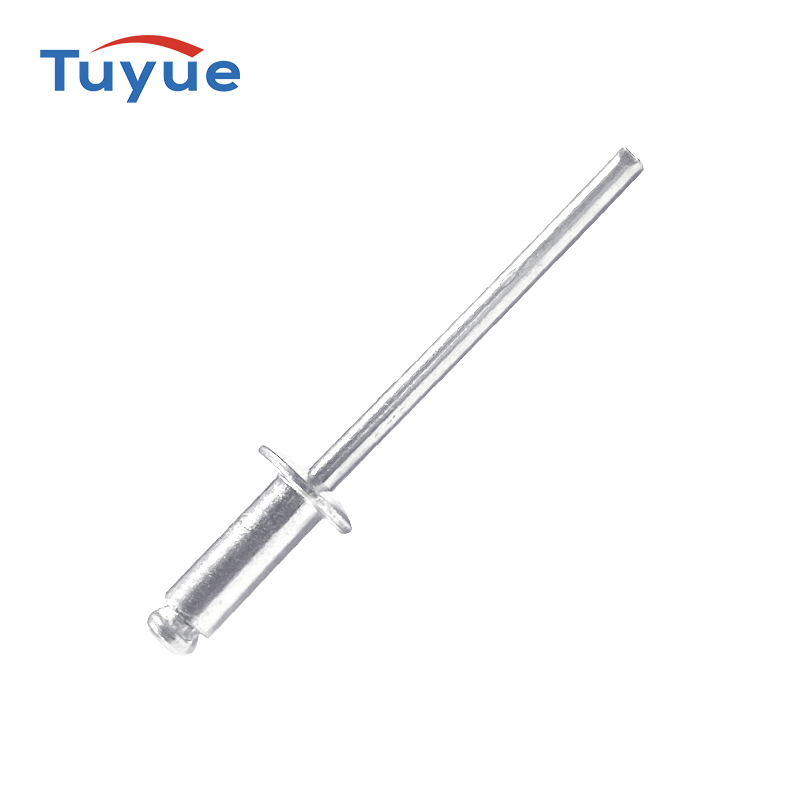
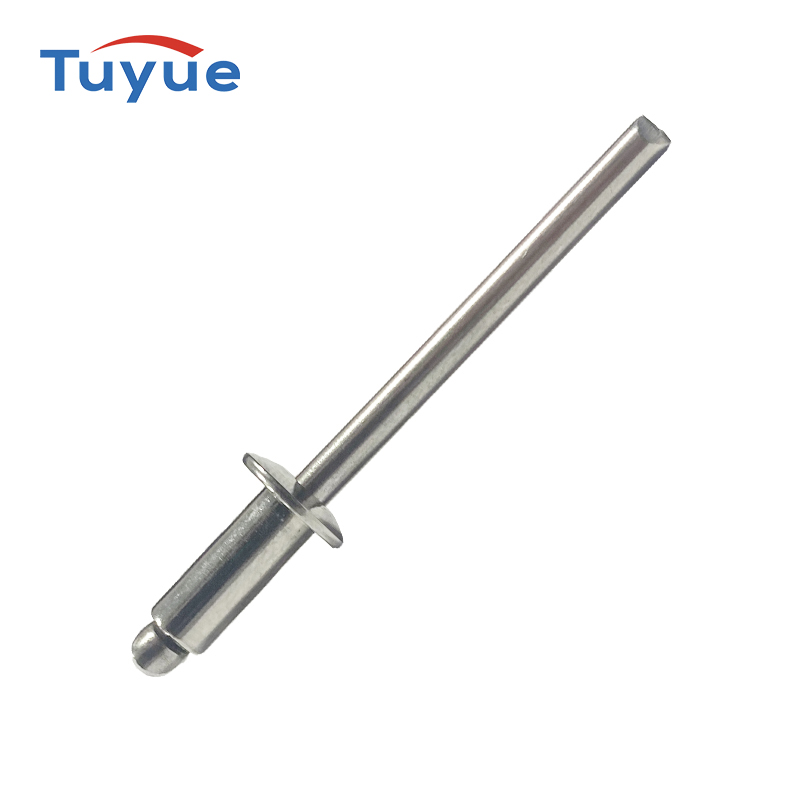
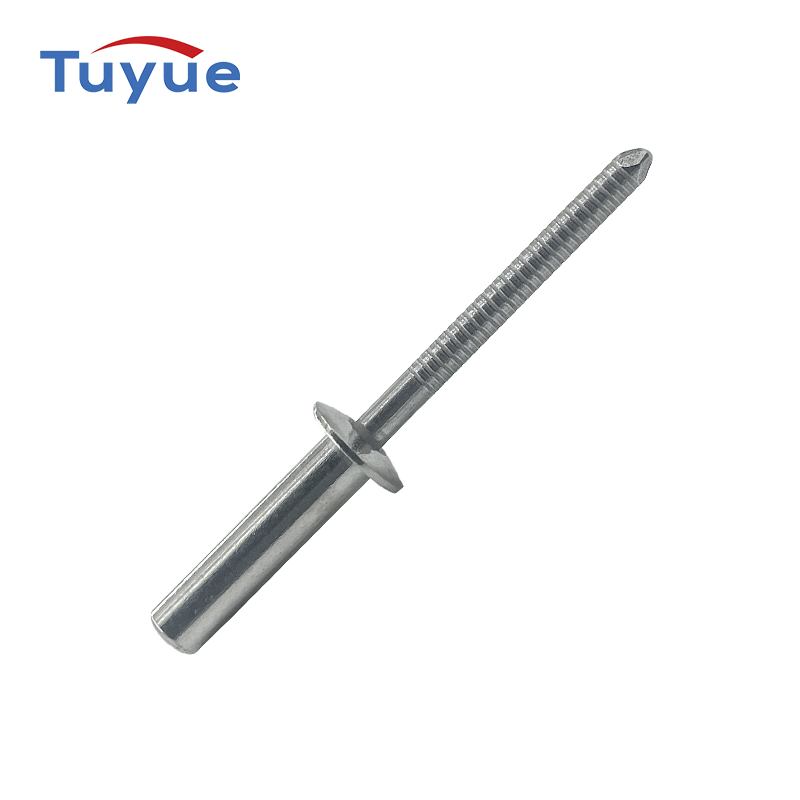
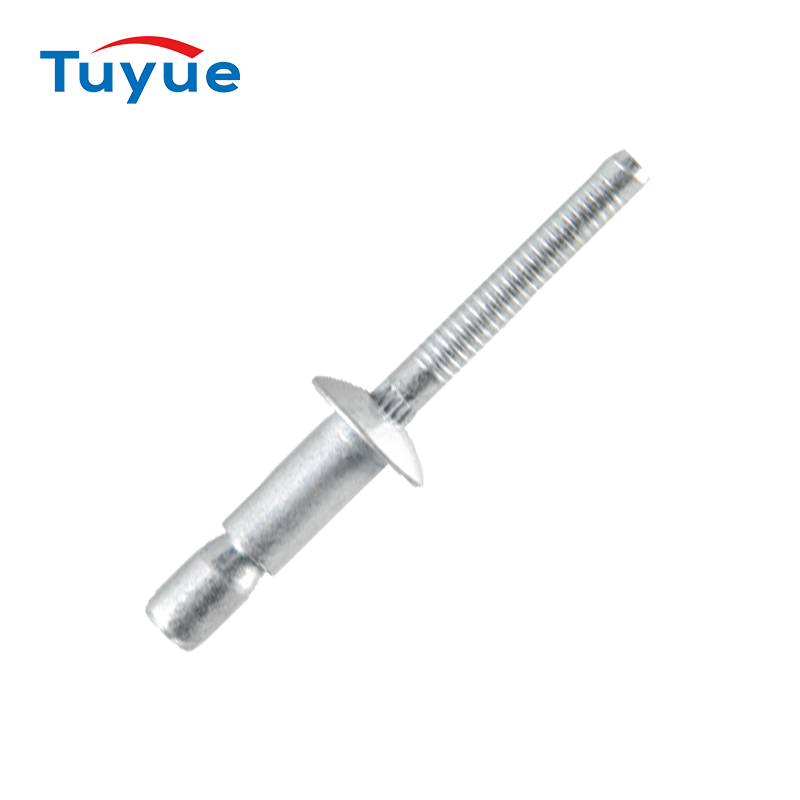
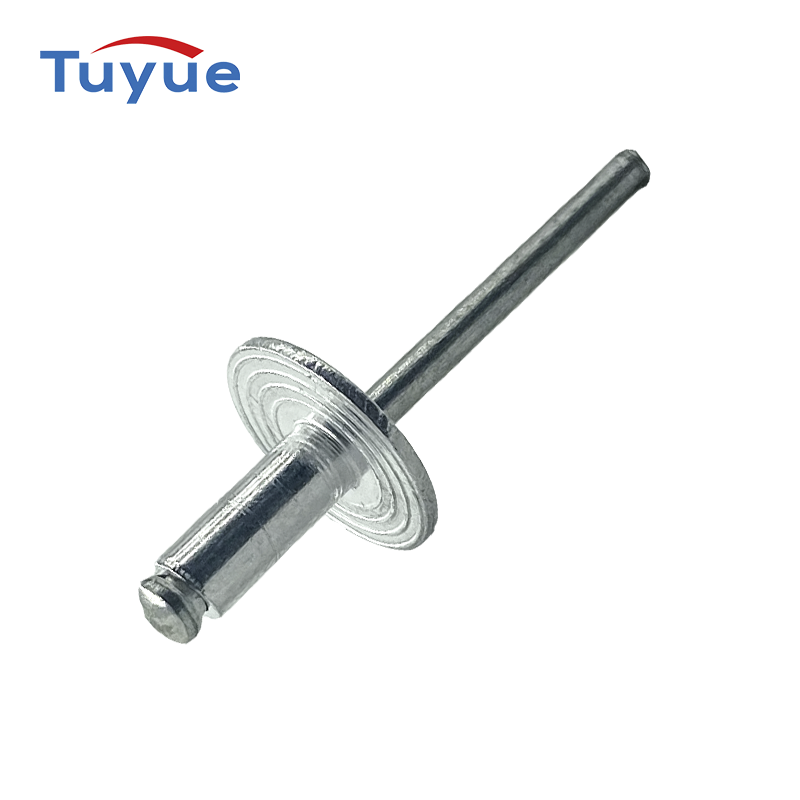
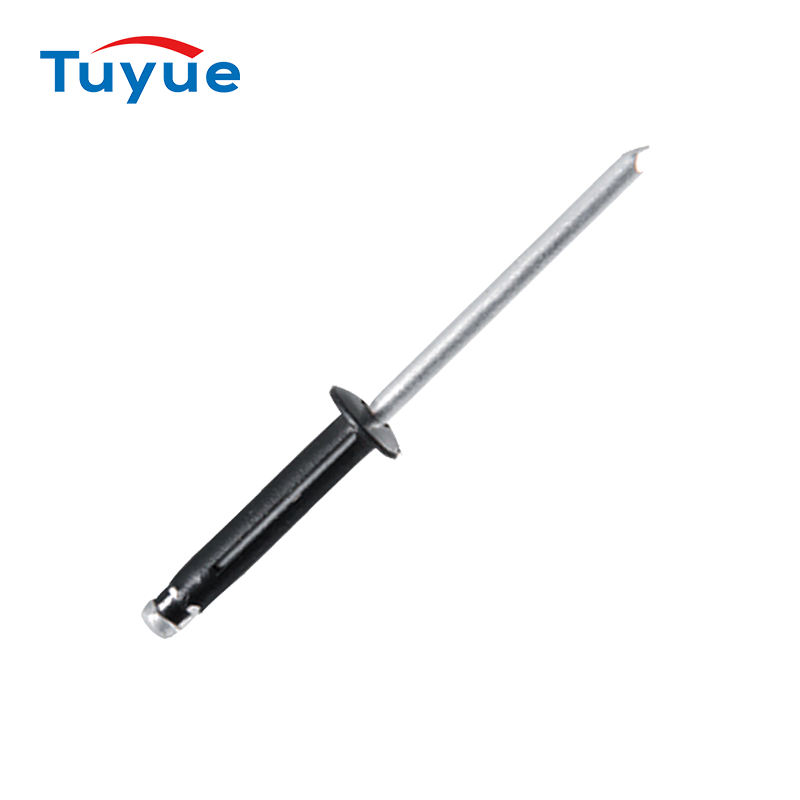
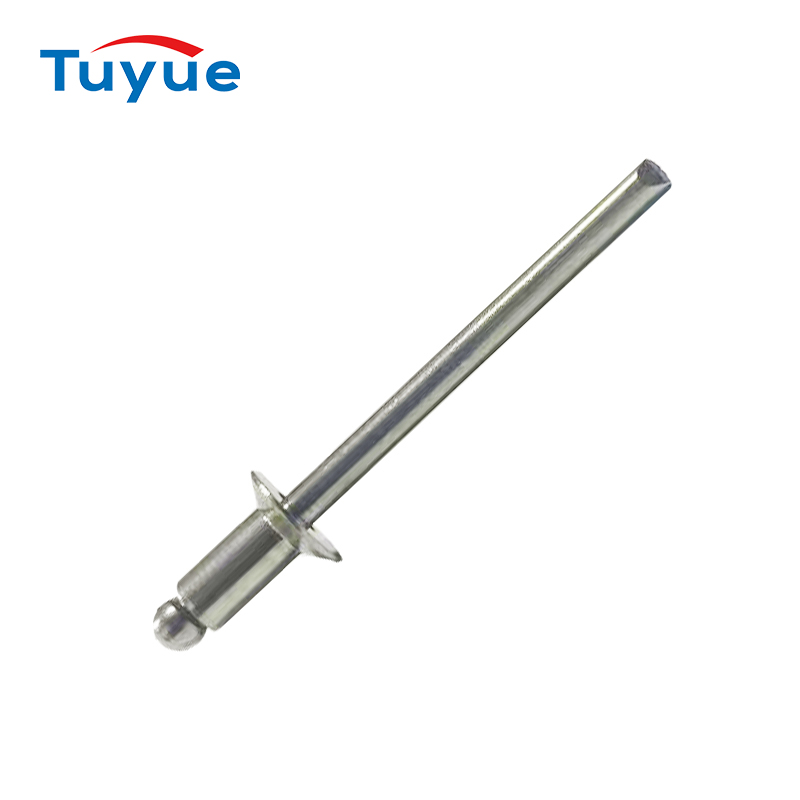
Blind rivets are permanent mechanical fasteners used where access is only available from one side of the workpiece (“blind” side). They are especially valuable in industrial assembly, construction, transportation and other sectors where speed, strength and reliability matter but traditional threaded fasteners (like nuts and bolts) are impractical.
These products from Zhejiang Jiaxing Tuyue demonstrate broad applicability, combining material science, mechanical design, and corrosion resistance across different engineered environments.
Material: Aluminium rivet body (often with aluminum or steel mandrel).
Best For: Lightweight structures where weight saving and corrosion resistance are priorities.
Use Cases: Aircraft interiors, metal paneling, light frames, aluminum sheet joints.
Key Advantage: Excellent anti‑rust performance plus very light weight.
Industry Note: Aluminium is widely used in blind rivets for general fastening due to its balance of strength/corrosion resistance.
Material: Steel rivet bodies with compatible mandrels.
Best For: High strength and load‑bearing applications requiring rigidity.
Use Cases: Heavy machinery frames, structural panels, automotive underbodies, industrial assemblies.
Key Advantage: Higher shear/tensile strength than aluminium.
Performance Note: Particularly suited for applications with mechanical stress and vibration.
Material: Stainless steel (e.g., grades 304, 316) — both body and mandrel in many designs.
Best For: Corrosion‑intensive or outdoor environments (marine, coastal, chemical).
Use Cases: Marine fixtures, HVAC systems, building exteriors, chemical plants.
Key Advantage: Superior rust and oxidation resistance and durability in harsh conditions.
This matches the supplier’s SS Blind Rivet offerings with sizes and dome head variants.
Multi‑Grip Blind Rivets – for uneven or large grip ranges.
Open‑Type Aluminium/Steel Blind Rivets – traditional design for general use.
Closed‑End Stainless Steel Blind Rivets – for sealed joints against fluids or dust.
Interlocking Structural Blind Rivets – for stronger joint integrity.
Large Flange / Countersunk Head Styles – optimized for surface load distribution or flush finishes.
Performance & Strength
Designed for mechanical load and vibration resistance.
Precision manufacturing ensures consistent expansion and secure grip.
Corrosion Resistance
SS and aluminium deliver durability in outdoor, humid, or saline environments.
Stainless steel grades (like 304/316) are often specified where rust resistance is critical.
Ease of Installation
One‑sided installation saves time and is ideal for hard-to-access locations or enclosures.
Works with manual, pneumatic, or battery‑powered rivet guns.
Versatility
Suitable for metal, plastics, composites, and mixed material joints.
Widely used across construction, automotive, furniture, HVAC, and industrial machinery.
| Industry | Example Use Cases |
| Construction & Civil | Sheet metal cladding, façade panels |
| Automotive & Transportation | Body panels, interior fixtures |
| Aerospace & Marine | Lightweight interior panels, deck fittings |
| HVAC & Electrical | Ductwork and enclosures |
| General Manufacturing | Machinery housings, equipment frames |
All above align with broad blind rivet usage patterns.
Aluminium and stainless steel rivets are highlighted in high‑exposure Google topics around anti‑corrosion fasteners, particularly for marine and outdoor building projects — driven by ongoing infrastructure and renewable energy installations.
Blind rivets are often featured in discussions of lean manufacturing and rapid assembly methods because they enable quick fastening without access from both sides.
Choosing the correct material (Al, Steel, SS) is a frequent topic in fastener selection guides, as mismatch can lead to galvanic corrosion or structural failure — which manufacturers account for by offering varied rivet bodies and mandrels.