Application
Oh, all over the place! You'd be surprised how handy they are. Here are the usual spots:
HVAC and Ductwork: For putting together and sealing up all those air conditioning and ventilation ducts made from sheet metal.
Metal Roofing and Siding Panels: Perfect for locking down roofing sheets or wall siding onto the support frames.
Equipment Boxes and Electronics Cabinets: Putting together server racks, electrical enclosures, control boxes—anything that needs a sturdy metal case.
Cars, Trucks, and Vehicles: Great for attaching interior panels, mud flaps, or exterior trim pieces onto the body.
General Metal Workshops and DIY Projects: Anywhere in the shop you're building brackets, frames, or assembling anything out of sheet metal.
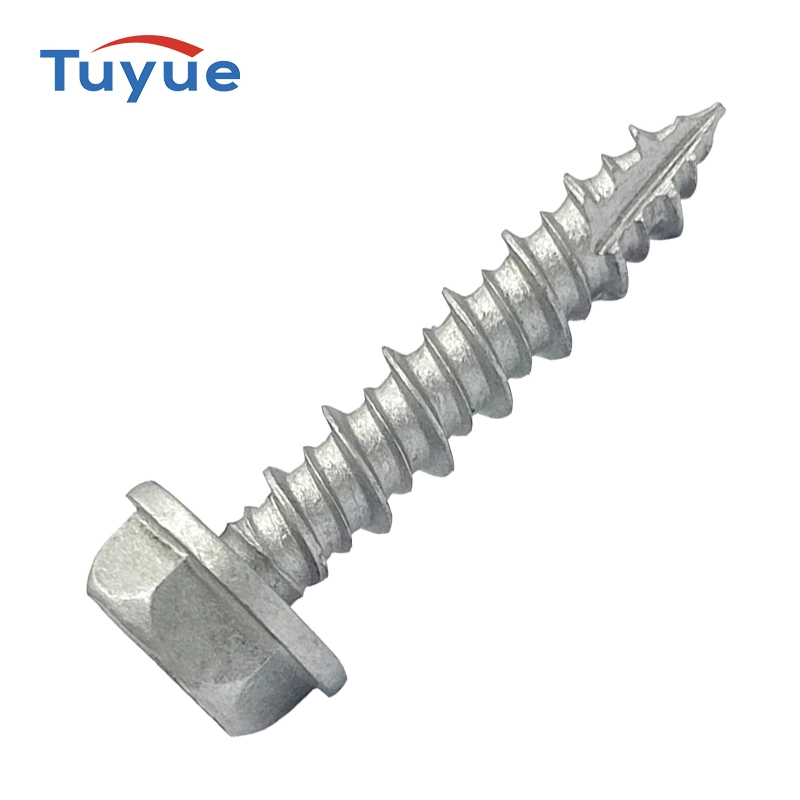
Making these screws isn't just simple machining; it's a cool process of forging and shaping metal to be super strong.
Starting with the Coil: It all begins with a big coil of steel wire, which gets stretched and sized down to the exact thickness needed.
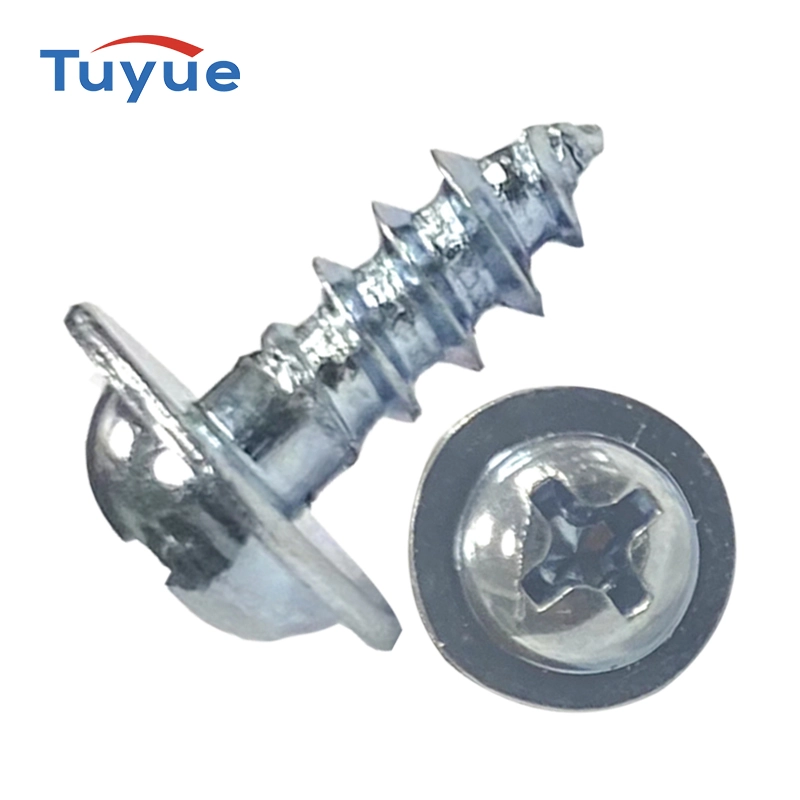
Cold Heading – Smashing the Head Into Shape: A piece of that wire is chopped off and then literally hammered under massive pressure inside a mold. This "cold heading" step forms that classic washer head and the basic body of the screw in one go. It squishes the metal's grain structure around the shape, which actually makes it tougher.
Thread Rolling – Squeezing Out the Threads: Here's the neat part. The smooth screw body gets rolled between two super-hard, grooved plates. The pressure displaces the metal to form the sharp threads—it doesn't cut them away. This leaves the threads smoother and way stronger than if they were just cut.
Heat Treating – Baking In the Hardness: Next, the screws take a trip through an oven. They're heated and cooled (hardened and tempered) in a precise way. This gives them a super hard surface so they can cut into metal, but keeps the core a bit springy so they don't just snap in half when you torque them down.
The Final Touch – Coating for Looks and Life: Finally, they get their protective skin. The most common finish is a zinc plating, which gives that silvery look and decent rust resistance. You'll often see it in clear, yellow, or blue tints. For places that get wet, salty, or chemical fumes, you'd want to go with stainless steel versions (like 304 or 410 grade), which are corrosion-resistant all the way through.
Can I Get a Couple to Try Before I Buy a Whole Box?
Absolutely! We totally get that you need to feel them in your hand and test them on your own materials. Here’s the lowdown on samples:
Samples? Yes, We Do That! We're happy to send out sample packs so you can check the quality, fit, and how they drive for yourself.
How to Make It Happen: The best way is to just reach out to our sales folks directly. Give them the scoop on your project—what kind of metal you're using, how thick it is, what you're attaching it to. That way, we can send you the perfect type to test.
The Quick Details: For our standard off-the-shelf items, we can usually send a few samples at no cost. If it's a super custom spec or needs to be shipped overseas super fast, we might ask you to chip in a little for the shipping. It's all about making sure you're 100% happy with the part before you place a bigger order.
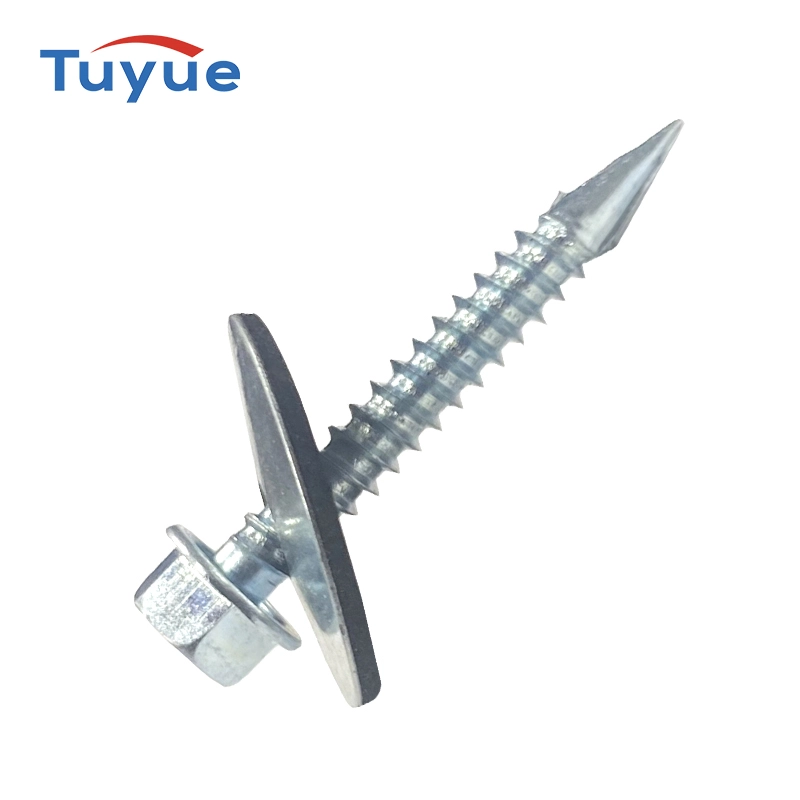
Search Like a Pro: When you're looking online, try searching for "hex washer head self-tapping screw" or "sheet metal screw with washer". If you know the exact standard, "DIN 7981" is a great term to use.
Double-Check the Details: Always make sure you're clear on the material (regular steel or stainless?), the finish/coating, and the drive type (we're big fans of Torx® or hex socket drives—they let you crank down on them without the driver slipping and stripping the head).
Don't Be Shy to Ask: Got questions? Just ask! Things like "What's the smallest order I can place?" or "Can you send me the test report for this batch?" are totally normal. We're here to help you find the right fastener.