Application Scenarios for Heavy Duty Gate Hinges
So let's talk about where you'd actually use heavy-duty gate hinges. These things are literally built to handle the big boys—I'm talking about large, heavy gates that people swing open and shut all day long. And because they're built like tanks, you'll find them pulling serious weight in all sorts of tough environments:
Commercial & Industrial Facilities: Picture factories, warehouses, and manufacturing plants—basically anywhere doors and gates get slammed around non-stop. We're talking loading dock doors that take a beating every single day, cold storage room doors that need to seal tight, and those massive access points where heavy machinery rolls through. These hinges have got to handle constant use and shrug off some seriously nasty conditions without breaking a sweat.
High-Security Environments: Now for the places where security is absolutely everything—prisons, banks, data centers, embassies, you get the idea. These spots use specially designed heavy-duty hinges that come with anti-tamper features so nobody can mess with them, they're way harder to break through, and they can even hook up with multi-point locking systems for that extra layer of don't-even-think-about-it security.
Public & Commercial Buildings: Chances are you've walked right past thousands of these without ever noticing them. In hotels, hospitals, schools, and packed office buildings, heavy-duty hinges are the quiet heroes making sure all those doors everyone uses—like main entrances, fire doors, and bathroom doors—swing open and closed nice and smooth, without making noise, and they keep doing it millions of times without wearing out.
Residential & Agricultural Use: Over in neighborhoods, you'll spot them holding up heavy driveway gates, those big wooden or metal courtyard doors, and front entry doors that make a statement. And out on the farm? They're absolutely perfect for heavy farm gates, livestock pen entrances where animals are constantly pushing through, and large equipment sheds that need to stand up to whatever Mother Nature throws at them.
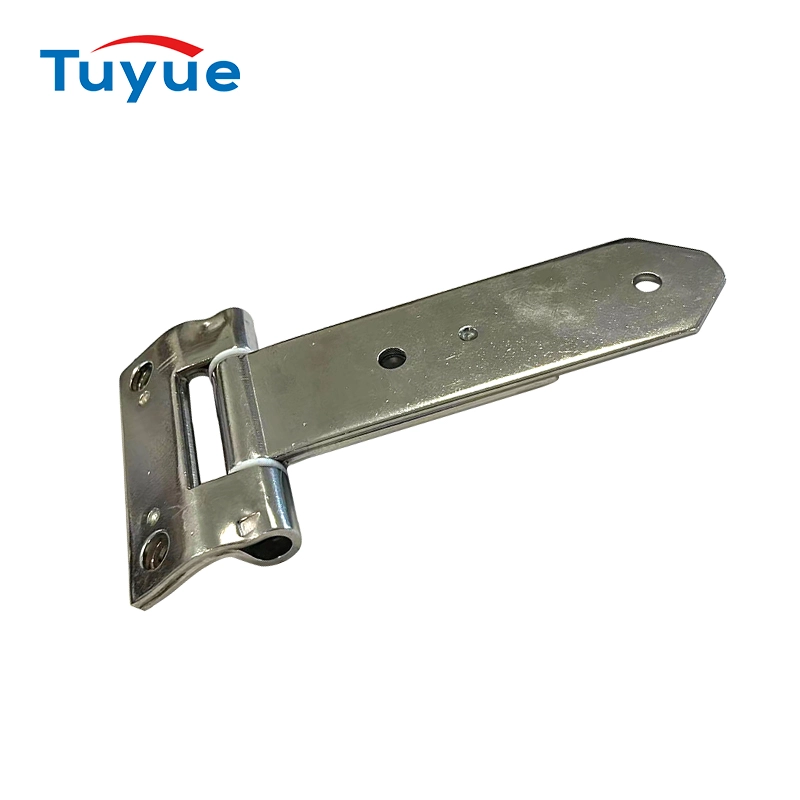
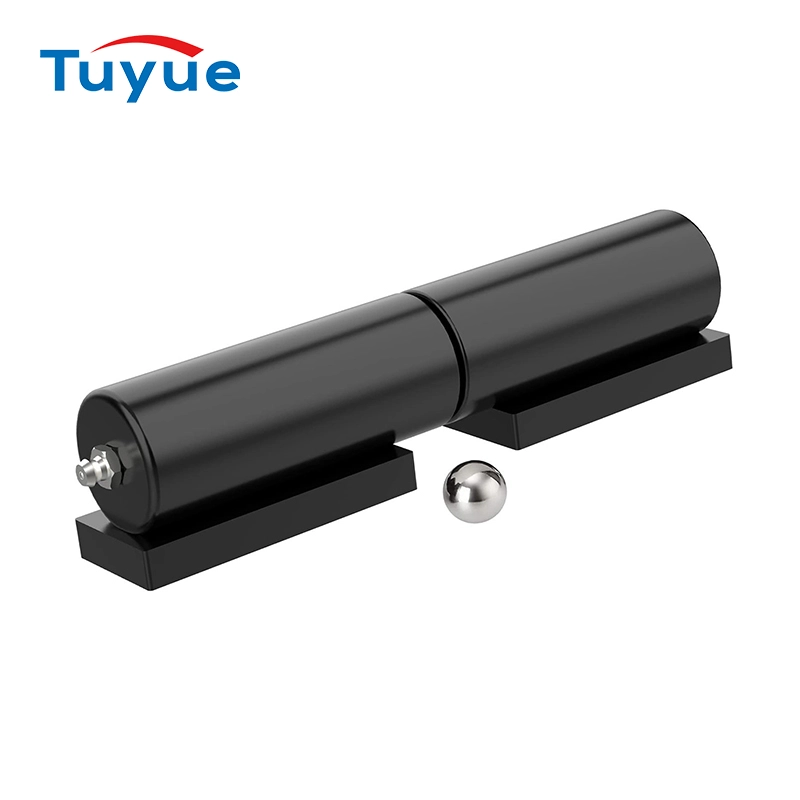
Just so you know, these hinges usually come in either weld-on or bolt-on styles. Weld-on hinges give you the strongest possible bond—once you weld them on, they're on there for life—which means you get maximum load capacity and security. Bolt-on hinges, on the other hand, give you way more wiggle room since you can install them, tweak them, or even take them off without needing to fire up the welding gear.
⚙️ Production Processes for Heavy Duty Gate Hinges
Making top-notch heavy-duty hinges isn't something you just whip up real quick—it takes a whole bunch of precise engineering steps to get everything just right. And the exact process really comes down to what the hinge is supposed to look like and what material they're making it from.
Material Selection: It all kicks off with picking the right raw material. Steel—whether it's carbon or alloy steel—is usually the first choice because it's crazy strong without weighing a ton, and it can support massive loads. But if we're dealing with places where rust is a real problem—like coastal areas, farms, or chemical plants—then stainless steel (grades 304 or 316) is the smart move since it won't corrode away over time. Every now and then you might even see solid brass or high-strength polymers used for special jobs where looks or specific properties matter more than usual.
Core Production Steps:
Cutting & Shaping: First thing first, steel plates or bars get cut down into the basic hinge pieces—the leaves and barrels. They use stuff like laser cutting, plasma cutting, or stamping presses to make sure everything's super precise and efficient right from the get-go.
Forming & Bending: Next up, those pieces get bent into their final shapes using press brakes. For hinges with fancier or continuous profiles, they actually use something called extrusion. Here's how that works: they heat up a steel billet and force it through a custom die—kind of like pushing Play-Doh through one of those shape makers—to create one long piece with exactly the cross-section they're after. Then they just chop it up into individual hinge widths. This method gives you parts that are incredibly strong with no weak seams that could fail later.
Machining & Drilling: After that comes the drilling—they put in precise holes for the mounting bolts that'll hold everything together, plus holes for the hinge pin that connects the two leaves. If the hinge has built-in bearings, this machining step has to be dead-on accurate, otherwise the whole thing won't swing right.
Welding & Assembly: For weld-on hinges, skilled welders permanently join the leaves and barrel together—it's not going anywhere. For bolt-together hinges, they just put all the pieces together. This is also when they drop in the hinge pin and any internal goodies like bearings or springs that make the hinge work better.
Surface Finishing: To keep these hinges from turning into rusty messes and to make them look presentable, they go through finishing treatments. Common stuff includes galvanization (basically giving them a zinc coating), powder coating (which leaves a really tough, colorful finish that holds up), or plating with things like chrome or brass. This step is absolutely make-or-break if the hinge is going to live outside and face rain, snow, and sun day after day.
Quality Control: All throughout production, they're constantly checking their work. We're talking measuring dimensions to make sure everything lines up, load testing to confirm the hinge can actually carry the weight it's supposed to, salt spray tests to check it won't rust out too fast, and functional tests to make sure that pivot action is smooth as glass.
✈️ Free Sample Delivery Policy
Now let's get into whether you can get free samples—honestly, it really depends on who you're dealing with and what exactly you're asking for.
Direct from Manufacturers (Common in China and Industrial Suppliers): Lots of manufacturers are totally cool with sending out free samples of their standard, in-stock products if you're a legit potential buyer. This way you can check out the quality, see how the finish looks, and make sure everything fits your specific setup before you commit to a bigger order. Think of it like trying on shoes before you buy them, but for hardware.
Sample Costs vs. Shipping Costs: Here's the thing—while the actual sample is usually free, you're typically going to have to cover the international courier shipping costs yourself (we're talking DHL, FedEx, UPS, those guys). And let's be real—shipping heavy metal parts across the ocean isn't exactly pocket change.
Custom Orders: If you need custom-designed hinges—like specific measurements, special materials, or particular finishes—then free samples generally aren't happening. Why? Because creating new molds or setting up special production runs costs serious money before they even make anything. In this situation, that sample piece becomes part of the paid development process.
Retailers & Distributors: Companies like HardwareSource, Grainger, or your neighborhood hardware store? They're in the business of selling stuff, not giving it away. Generally speaking, they don't do free samples—if you want the hinges, you've got to buy them, plain and simple.
Actionable Advice: Here's what I'd tell you to do—reach out to the supplier directly. Be upfront about what you're planning to use the hinges for, give them a rough idea of your gate's size and weight, mention roughly how many you might order down the road, and politely ask about getting a sample. They'll fill you in on their specific sample policy and hit you with a shipping cost quote to think about.