Securing Every Connection
Trust Built on 20 Years of Expertise
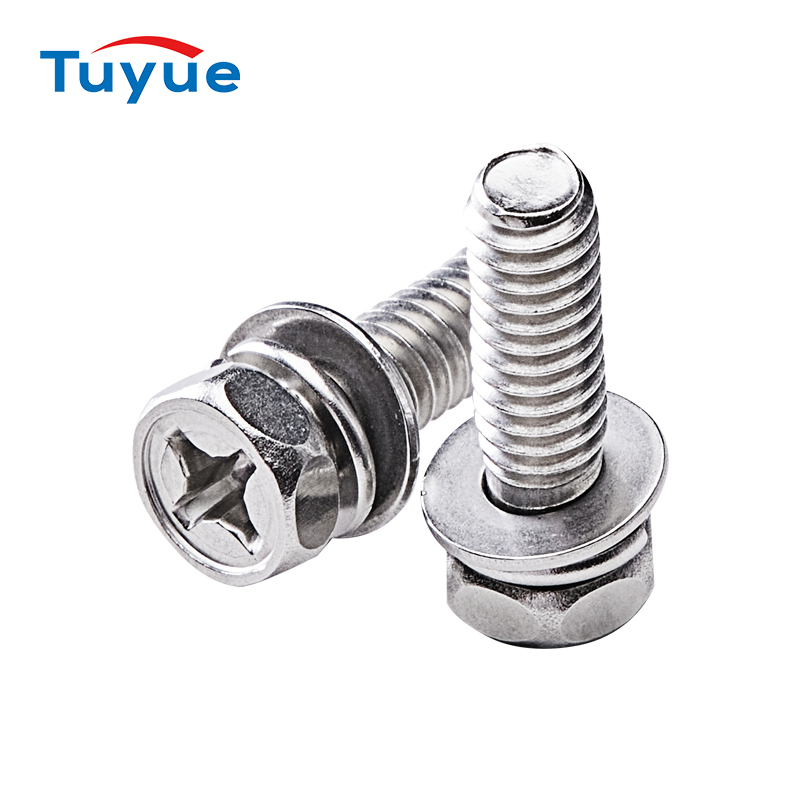
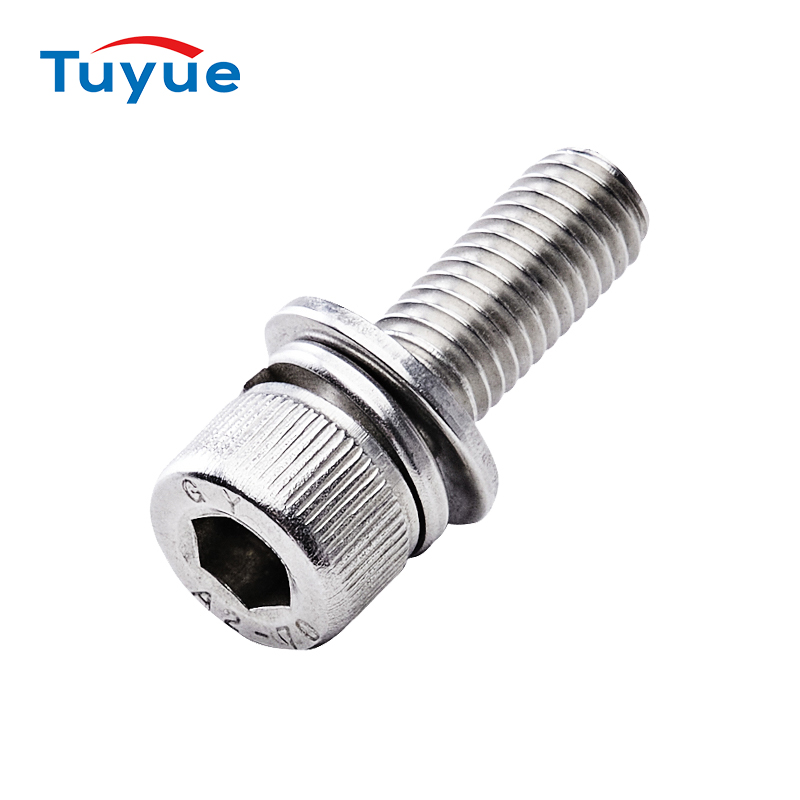
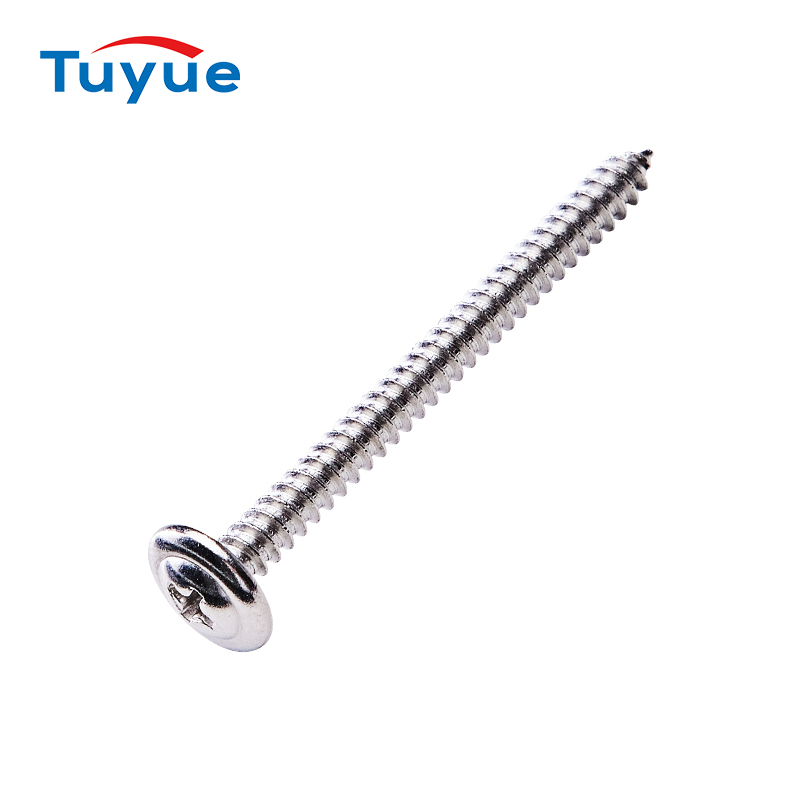
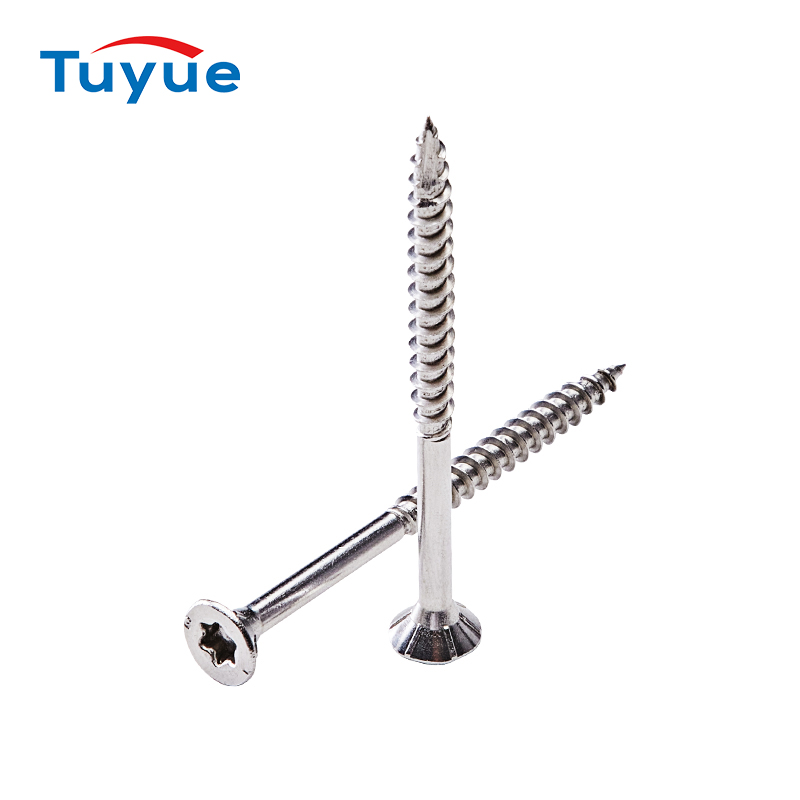
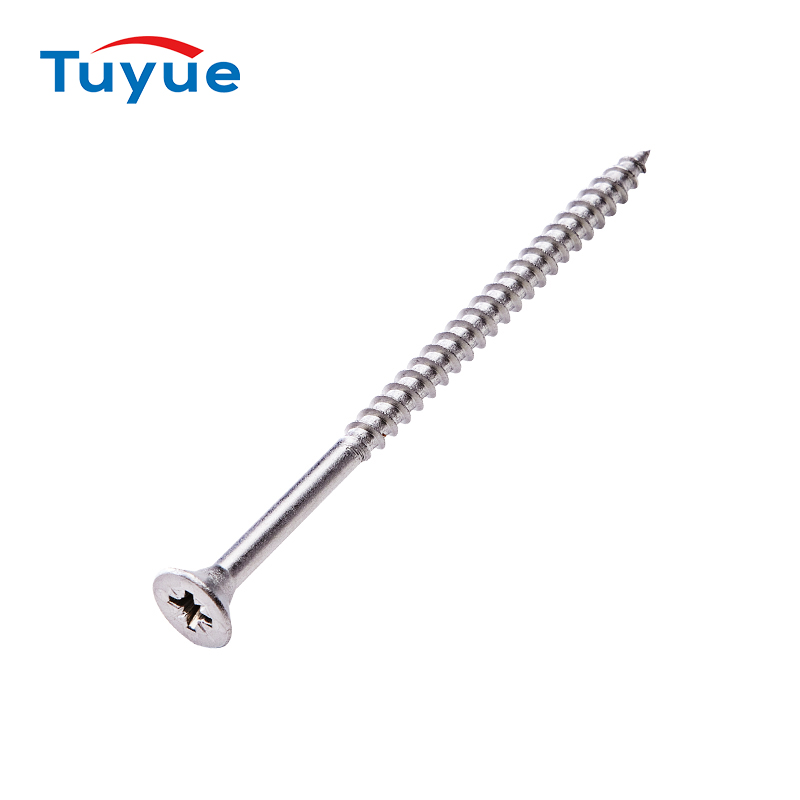
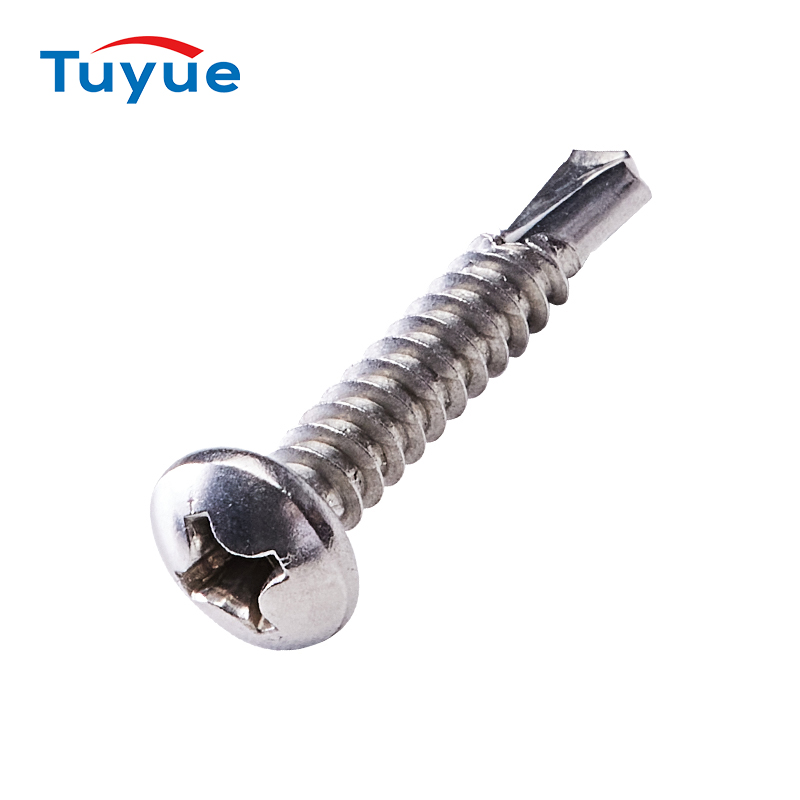
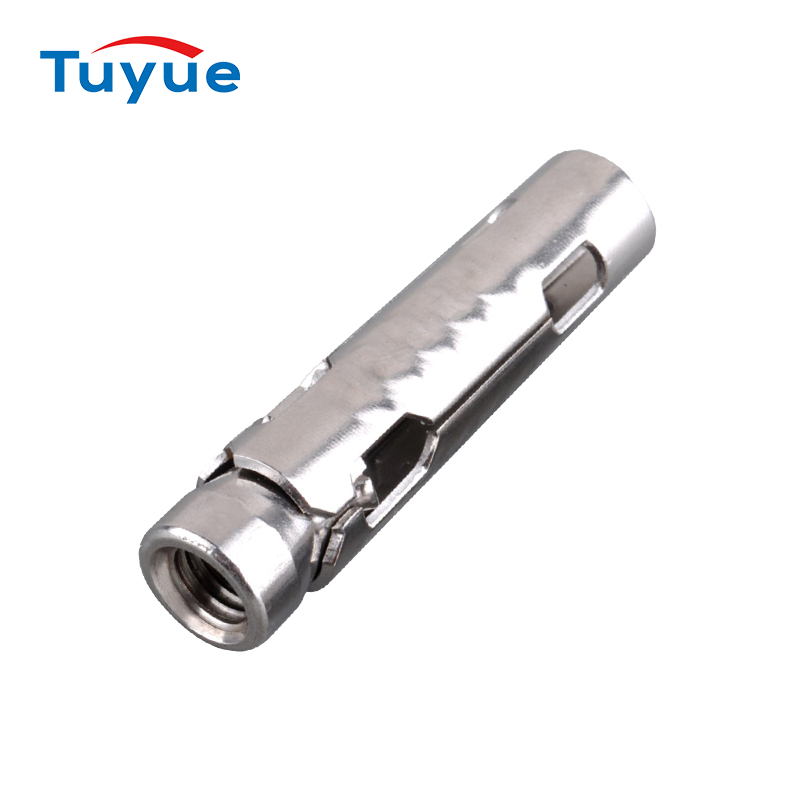
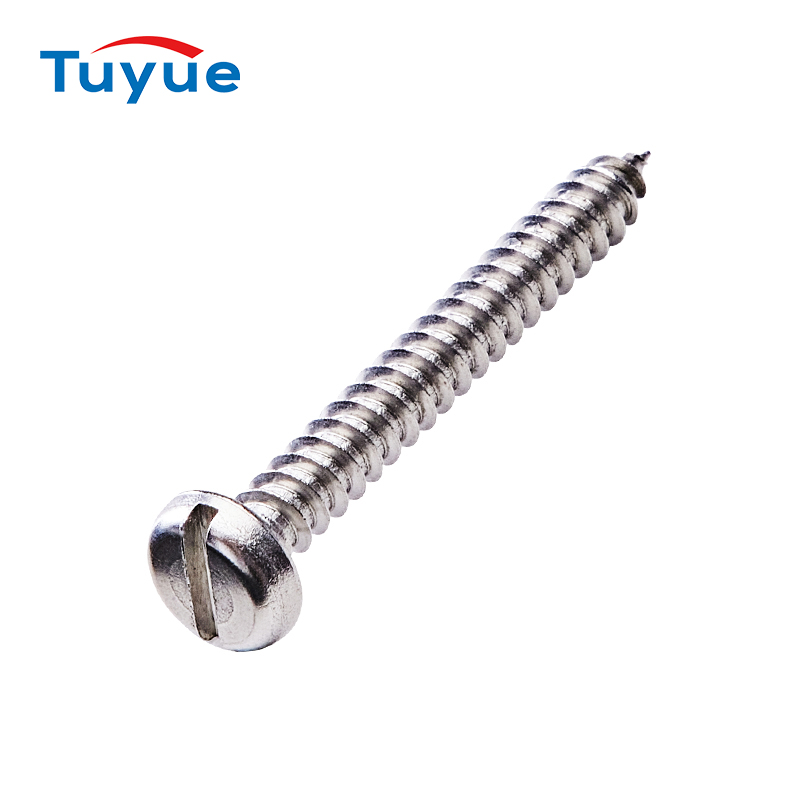
Hardware and fasteners are the foundational components that hold the built world together. From structural steel framing and metal roofing to solar array installations and precision machinery, every engineering application depends on correctly specified fasteners to maintain joint integrity, resist load, and survive environmental exposure. Zhejiang Jiaxing Tuyue Import and Export Company Limited, based in Jiaxing, Zhejiang, has supplied international markets with hardware and fasteners for over 20 years, offering a comprehensive product range across construction, energy, and industrial sectors.
Self-drilling screws, also known as Tek screws, integrate a drill-point tip with a threaded shank, allowing them to bore through substrate and form a thread in a single operation without a pilot hole. The drill-point geometry is classified by point number — from point 1 (for thin sheet metal up to 0.9 mm) to point 5 (for structural steel up to 12.7 mm). Selecting the wrong drill-point class for the substrate thickness is one of the most common installation errors and results in either premature tip fracture or oversized holes that reduce pull-out strength.
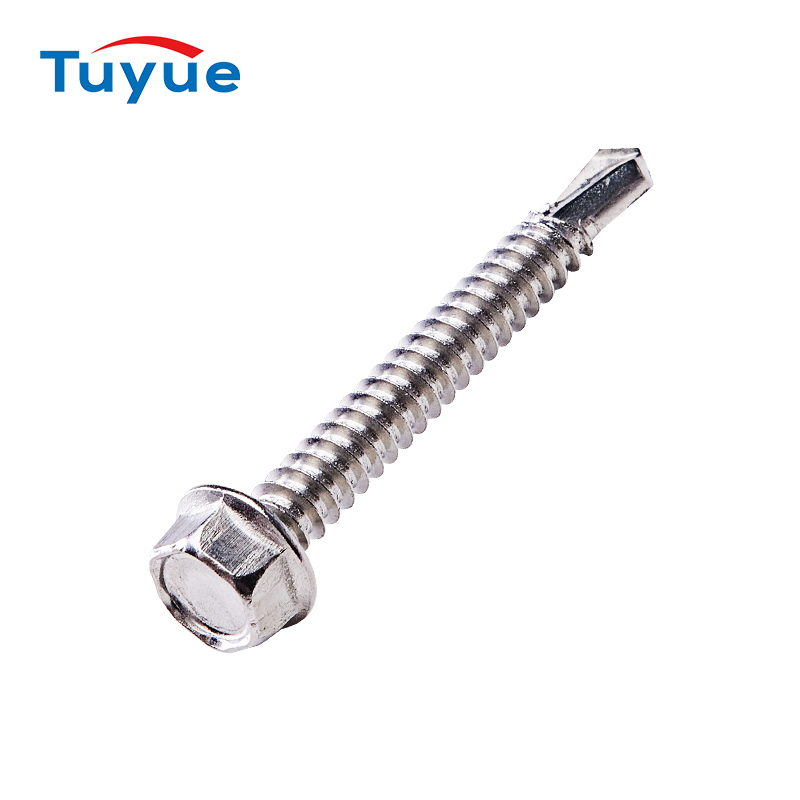
Head configurations serve different structural and aesthetic functions. Hex head self-drilling screws are the standard choice for metal-to-metal and metal-to-timber connections in steel framing because the hex drive allows high torque application. Pan head and bugle head variants such as the cross recessed bugle head drilling screw are suited for drywall, cladding, and sheeting where flush or countersunk installation is required. Modified truss head designs spread load over a wider bearing surface, reducing pull-through risk in thinner materials.
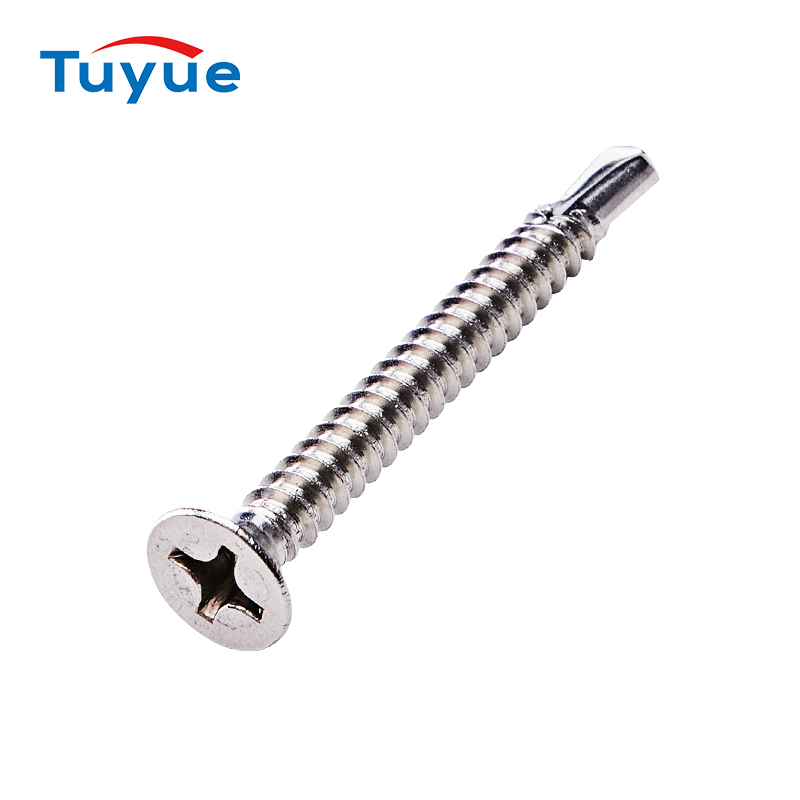
Wing-tip variants such as the flat head drilling screw with wing with cutting and the flat head drilling screw with wing with rib are designed for fastening timber to light gauge steel. The wings ream out a clearance hole in the timber before the screw engages the steel beneath, preventing the screw from pulling the timber layer loose during installation.
For in-depth market and application analysis, see the blog post: Rising Demand for Advanced Self-Drilling Screws and The New Science of Roofing and Drilling Screws.
Roofing screws differ from standard self-drilling screws primarily in the integration of a bonded sealing washer. The hex head self-drilling screw with EPDM washer is the industry standard configuration for metal roofing. The EPDM (ethylene propylene diene monomer) rubber washer compresses around the screw shank upon installation, creating a watertight barrier that prevents water ingress at every penetration point. EPDM is preferred over neoprene in roofing applications because of its superior resistance to UV radiation, ozone, and thermal cycling across a temperature range of approximately -40°C to +120°C.
The hex flange self-drilling screw with spoon point and rubber washer incorporates a spoon-shaped drill point optimized for penetrating the ridges of profiled metal roofing sheets without deflection. This design maintains perpendicular entry and consistent washer compression on corrugated and trapezoidal profiles, where angular entry is a frequent cause of inadequate sealing.
Surface coatings on roofing screws are critical to corrosion performance. Electro-galvanized zinc coatings offer a minimum 5-micron zinc layer and are adequate for inland, non-aggressive environments. Hot-dip galvanizing produces a 45–85 micron zinc layer and is suitable for rural and semi-industrial atmospheric exposure. Ruspert coating, a ceramic-zinc composite system, provides salt spray resistance exceeding 1,000 hours and is the preferred specification for coastal and industrial environments. For technical handling and installation guidance on Ruspert-coated screws, refer to: Handling and Installation Considerations for Ruspert-Surfaced Screws.
Stainless steel fasteners used in construction, solar, and marine applications are primarily manufactured from A2 (304) or A4 (316) austenitic grades. A2 grade offers excellent corrosion resistance in most atmospheric environments and is widely used for general outdoor applications. A4 grade provides enhanced resistance to chloride-induced pitting corrosion due to its 2–3% molybdenum content and is the specified material for coastal, marine, and chemical process environments.
The property class system governs tensile strength. A2-70 and A4-70 stainless steel fasteners have a minimum tensile strength of 700 MPa, while A2-80 and A4-80 reach 800 MPa. These figures are substantially lower than high-tensile carbon steel grades (8.8, 10.9, 12.9), which must be accounted for when substituting stainless for carbon steel in structural bolted joints. Galling — the cold-welding of stainless threads under pressure — is a common installation problem with stainless bolts and nuts. It is prevented by using anti-seize lubricant, reducing installation speed, and ensuring correct thread engagement before applying torque. The full range of stainless steel bolt, nut, screw, and washer combinations is available at: Stainless Steel Bolt Nut Screws Washers.
For sourcing and demand analysis: Stainless Steel Bolts and Screws: What's Driving Demand in 2026 and How to Source Smarter.
Blind rivets (pop rivets) allow permanent fastening from one side of a joint and are essential where rear access is restricted. The rivet body is inserted through a pre-drilled hole, and a mandrel is pulled through the body by a rivet tool, causing the blind end to expand and clamp the materials. When the mandrel fractures at the break groove, it leaves a formed head on both sides of the joint.
Material selection governs both strength and corrosion performance. Aluminum rivets are lightweight and naturally oxidation-resistant, making them standard in aerospace, automotive, and general sheet metal assembly. Steel rivets offer greater shear and tensile strength for structural and heavy-duty applications. Stainless steel blind rivets combine high strength with corrosion resistance and are used in outdoor, marine, and food-grade environments. Closed-end blind rivets seal the mandrel bore, preventing water and gas ingress through the rivet, which is critical in sealed enclosures and outdoor panels.
The aluminium peeled dome head rivet uses a split-petal expansion mechanism that creates a larger blind-side footprint, significantly increasing pull-out resistance in thin or soft substrates. The full range including aluminum, steel, and stainless steel blind rivet options is listed at: Aluminium Steel and SS Blind Rivets. Technical trends in this area are covered in: The Growing Demand and Innovations in Closed-End Blind Rivets.
Solar installations impose demanding conditions on fasteners: prolonged UV exposure, significant daily thermal cycling (delta-T commonly exceeding 60°C in rooftop systems), moisture ingress, and wind-induced vibration over a 25–30 year operational life. These factors disqualify standard carbon steel fasteners without heavy protective treatment. Stainless steel A4-316 and aluminum alloy 6061-T6 are the most widely specified materials for photovoltaic mounting fasteners due to their combination of corrosion resistance and mechanical performance.
Galvanic corrosion is a critical concern in solar mounting assemblies where aluminum frames, steel rails, and stainless steel fasteners are in direct contact. The electromotive potential difference between stainless steel and aluminum is relatively small, making this pairing generally acceptable. However, contact between carbon steel and aluminum must always be avoided or isolated with non-conductive gaskets. Fastener thread engagement is typically specified at a minimum of 1.5 times the nominal bolt diameter to ensure adequate load transfer without thread strip-out.
The solar and photovoltaic fastener range is at: Solar and Photovoltaic Module.
Steel corner brackets, framing angles, purlin clips, and joist hangers manufactured through precision metal stamping ensure consistent dimensional accuracy in structural framing assemblies. These components are typically produced from pre-galvanized mild steel or stainless steel strip and are engineered to specific load ratings for both vertical (gravity) and horizontal (lateral/wind) forces.
In light gauge steel (LGS) framing, stamped connectors serve as the primary means of transferring loads between vertical studs, horizontal tracks, and roof structures. The geometry of the fold lines and the punched fastener hole pattern are both load-path-critical features that must conform to the design specification. Substituting a generic bracket for an engineered stamped connector in a structural application without recalculating load capacity is a technical error with potentially serious consequences. The stamping part and iron framing range is at: Stamping Part Iron Framing Steel Corner.
Global procurement of fasteners requires fluency in the major thread standards. ISO metric threads (M-series) are the international standard, defined by nominal diameter and pitch in millimetres, e.g., M8 × 1.25. UNC (Unified National Coarse) and UNF (Unified National Fine) are the North American inch-based standards. The DIN (Deutsches Institut für Normung) standard remains widely referenced for screws used in European markets. DIN 7981, for example, governs cross-recessed pan head tapping screws for sheet metal — a type in frequent demand across the electrical and HVAC sectors. For specification and market data: DIN7981 Screw: Specifications, Design Trends, and Global Market Insights.
Thread pitch matters critically in bolted joint design. Coarse threads (lower thread-per-inch count) provide greater resistance to stripping in low-hardness base materials and are faster to install. Fine threads develop higher clamp load for a given torque input due to their smaller helix angle and are preferred in precision, vibration-prone, or high-strength applications. Mismatched thread standards or pitch combinations cause cross-threading, incomplete thread engagement, and premature joint failure.
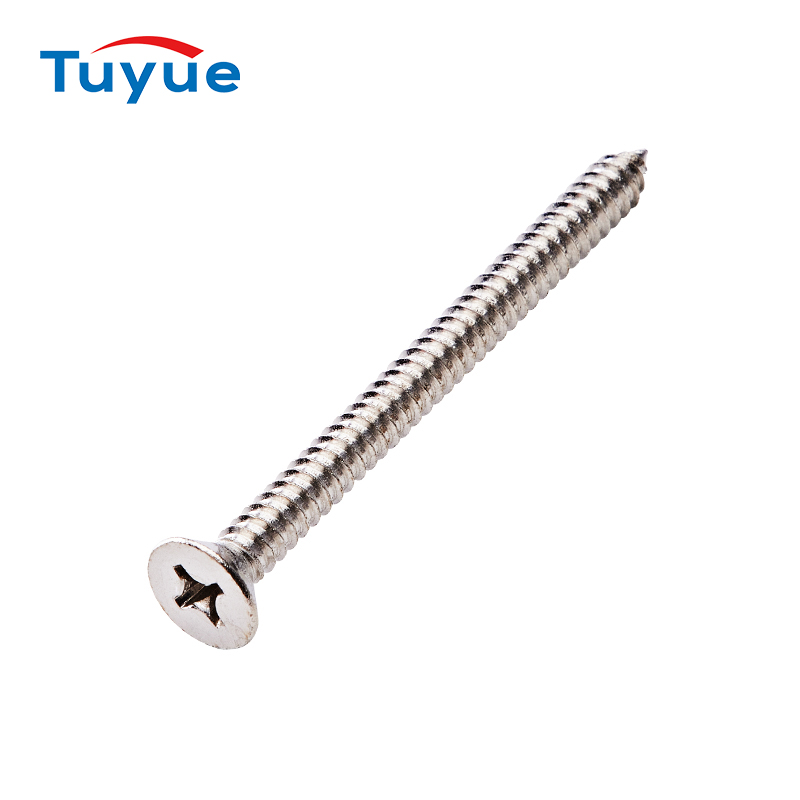
The recess or drive type of a screw head determines the installation tool and affects achievable installation torque and the risk of cam-out. Phillips (cross recess) is the most widely used consumer and light-trade drive and accommodates a degree of cam-out by design, limiting over-torque damage. Torx (star recess) and Pozidriv provide significantly higher torque transfer with minimal cam-out and are preferred in automated assembly and professional construction. The pan head Phillips/Torx self-drilling screw combines both drive geometries, providing installation flexibility with either tool type.
Hex head screws and bolts are driven by hex keys, box wrenches, and impact drivers, allowing the highest torque of any common drive system and making them the standard choice for structural and roofing applications. Bit wear is a significant practical concern in high-volume installation: worn bits on Phillips or Torx recesses cause cam-out, screw head damage, and inconsistent installation torque. Bit quality should be matched to screw hardness and volume of use.
Substrate compatibility: match fastener material and coating to the base material and atmospheric environment.
Load type: distinguish between shear loads (perpendicular to fastener axis), tensile loads (along the axis), and combined loads when specifying size and grade.
Installation method: confirm compatibility between drill-point class and substrate thickness for self-drilling applications.
Thread engagement: minimum 1.5× nominal diameter for structural joints; verify for thin sheet metal connections.
Corrosion system: select coating or material grade (electro-zinc, hot-dip galvanized, Ruspert, A2/A4 stainless) based on atmospheric corrosivity category per ISO 9223.
Disassembly requirement: permanent connections (rivets, adhesive anchors) vs. removable connections (bolts, screws).